

For many households, solar power used to sound like a luxury upgrade, i.e., the kind of home improvement that made sense only after the bills were paid and the roof was ready. However, this equation is starting to change. While the responsibility to maintain consistent power supply remains with the national grid operators, steps are being taken by consumers to secure their own power sources.
 Copy link


As electricity costs climb and fears of power interruptions linger, more households and businesses are looking at solar energy not just as a clean-energy choice, but as a practical long-term investment to cope up with the crisis. Statements were made by industry experts emphasizing that reliance on traditional power could result to significant financial strain if grid interruptions persist.
Mark Minoza, product manager at solar panel manufacturing firm SEA, said the growing adoption of solar power reflects a shift in how the consuming public thinks about energy, especially as fuel costs and supply concerns continue to shape electricity prices.
"For one, in terms of the adoption of solar ngayon, it's really now become pervasive," Minoza noted. "Because as we all know, with the Middle East issue, we are really affected by fuel. In terms also of power pricing, it will also go up."
The upfront cost of installing a solar energy system can still be steep for many households. However, Minoza stressed that the long-term savings can make the investment worthwhile, particularly for homeowners who plan to stay in their residences for years.
"Compared to having solar right now, you can have at least ten years in terms of your usage," he added. "In the long run, it will help you benefit because after ten years and up, you'll be able to do the ROI."
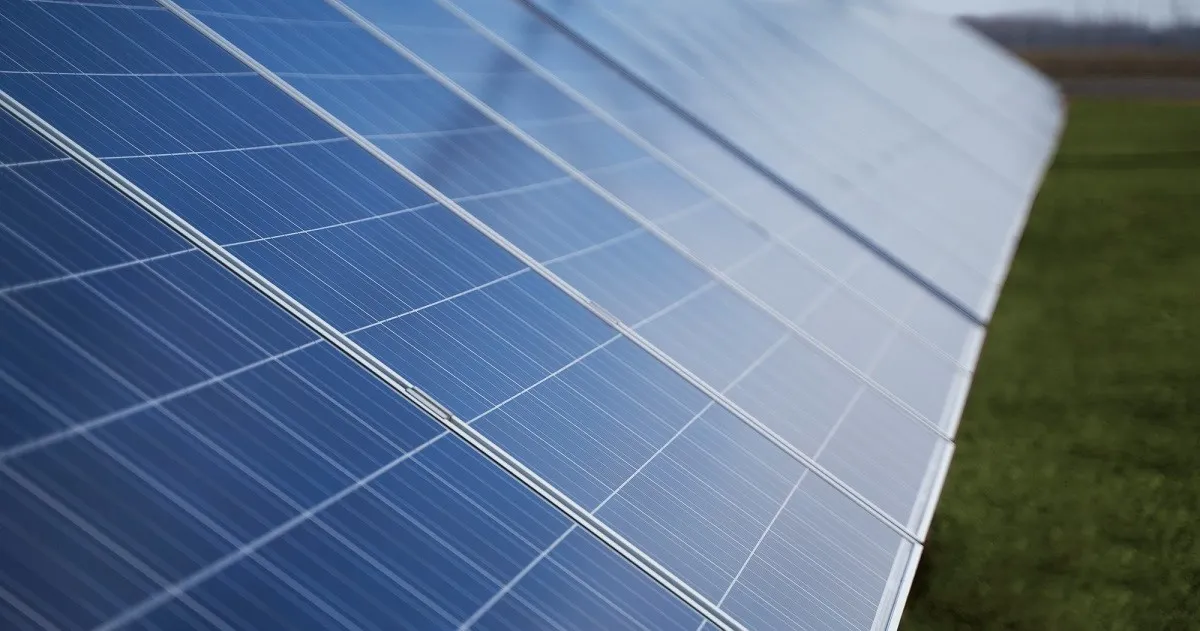
Following the Return on Investment (ROI), the firm expects that users will recover their initial costs and enjoy nearly free electricity. Minoza emphasized that newer solar technologies have also made the investment more attractive. Modern battery systems and other solar equipments are designed to last more than a decade with proper maintenance, while solar panels can remain operational for up to twenty-five years. Hybrid systems, meanwhile, can serve users for ten to fifteen years.
Beyond savings, reliability has become one of solar energy's strongest selling points, especially as announcements were recently circulated that possible rotational brownouts would be implemented.
"In the first few years, it's really expensive. But the convenience you get, especially for this coming rotational brownout, is the huge benefit for us," Minoza explained. "The real advantage is convenience. You are not dependent solely on the grid. If there's any grid interruption, then by all means you can have light inside your house because you have power backup."
The pitch is simple: solar energy does not remove the cost of electricity overnight, but it gives consumers another layer of control unless grid operators drastically improve their infrastructure.
A group of renewable energy firms in the country have recently gathered for Brand Day 2026 at Conrad Manila, bringing together players in the sector, e.g., IAN Solar Energy Corp., Solis, Dyness and JA Solar.
The event pointed to the growing momentum of the Philippine renewable energy industry, featuring product showcases, technical presentations and networking activities focused on energy storage technologies.
For industry players, the broader challenge is no longer just convincing consumers that solar energy works. It is showing them that clean energy can also be practical, reliable and worth the long wait for returns.
The “₱50 Bill Challenge” has become a cornerstone of Filipino “ipon” culture, offering a simple yet effective behavioral design tool that builds financial discipline by treating every ₱50 note as untouchable cash, thereby removing the temptation to spend it before it can be saved.