The Philippines averages 8 to 9 typhoons making landfall every year — but 2026 is already unusual. Tropical Storm Ada crossed the country as early as January 15, the first January cyclone since 2019. By April, Typhoon Sinlaku had already formed, marking an unusually early start to the season.
PAGASA forecasts between 2 and 5 tropical cyclones for the April–June period alone. The peak months — July through October — account for 70% of all typhoons in a typical year. Preparation cannot wait.
What to Keep in Your Emergency Kit
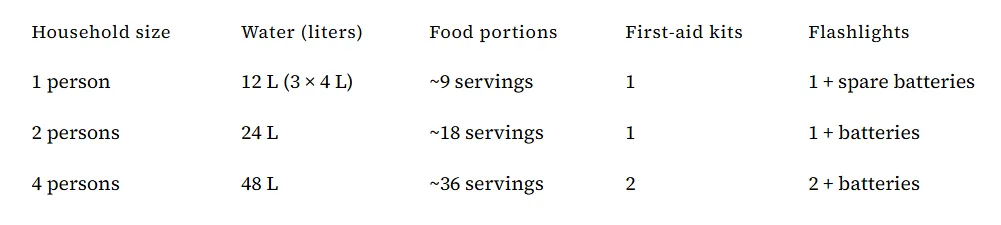
Every household should have a "go-bag" — a ready-to-carry pack with at least 72 hours of supplies. The rule is simple: water, food, light, and documents.
Water
Minimum 1 gallon (≈3.8 L) per person per day. Store in clean, sealed containers.
Food
Canned goods, energy bars, and ready-to-eat items that don't need cooking or refrigeration.
Documents
Copies of passports, IDs, insurance papers, and property documents in a waterproof pouch.
Power & comms
Fully charged power banks, a battery-powered radio, and a whistle for signaling if trapped.
Also pack a week's supply of prescription medications, rain gear, and pet food and carriers if you have animals. Keep cash in small bills — ATMs may be out of service for days after a strong typhoon.
Your 72-Hour Action Timeline
72–48 hours before landfall
Check PAGASA updates daily. Fill water containers and stock food. Charge all devices and power banks. Fill your vehicle's fuel tank at least halfway. Trim loose tree branches near your home. Tighten loose gates, doors, and fences.
48–24 hours before
Confirm your evacuation route and the location of the nearest shelter. Tell your neighbors your plan. Test flashlights and emergency radios. Pack documents and valuables in your go-bag. Move important items off the floor to avoid flood damage.
24–12 hours before
Monitor Storm Signal announcements. Park your vehicle away from trees. If Signal #2 or higher is raised for your area and authorities order evacuation — leave immediately. If you stay home, close all windows, shut off appliances, and stay in an interior room.
During the storm
Stay inside a sturdy interior room, away from windows. Do not go out during the eye of the storm — strong winds return quickly. Wait for an official "all-clear" from your local government.
After (0–72 hours)
Check on all family members. Photograph property damage for insurance. Report anyone needing rescue to your barangay. Boil drinking water until authorities confirm supply is safe. Contact your local DRRMC to register for assistance if needed.
Strengthening Your Home
Super Typhoon Odette in 2021 showed how quickly weak structures fail. Before the season peaks, check these critical points in your home:
Roof: Hip roofs — sloped on all four sides — perform better than flat or gabled designs in strong winds. Overhangs should not exceed 50 cm. Fasten roof trusses to beams using hurricane straps. Under the Philippine Building Code (DPWH 1096), roofs must withstand wind loads of at least 120 kg/m².
Walls: For concrete hollow-block walls, insert vertical steel rebar into the cavities and fill with concrete. Install ring beams with anchor bolts connecting the roof to the walls. For wooden frames, add diagonal braces at corners.
Windows: Board up vulnerable windows with plywood before a storm hits. If you have shutters, test them now. Tempered glass breaks into small sharp pieces — cover exposed panes with rain shields or plywood panels.
Identify your safe room: Every home should have one interior space — away from windows and exterior walls — where the family can shelter during peak winds. A hallway under a staircase often works.
Before the storm: Clear gutters and drains. Trim overhanging branches. Disconnect and store outdoor furniture, signage, and loose equipment that could become projectiles.
Staying Informed: Official Channels
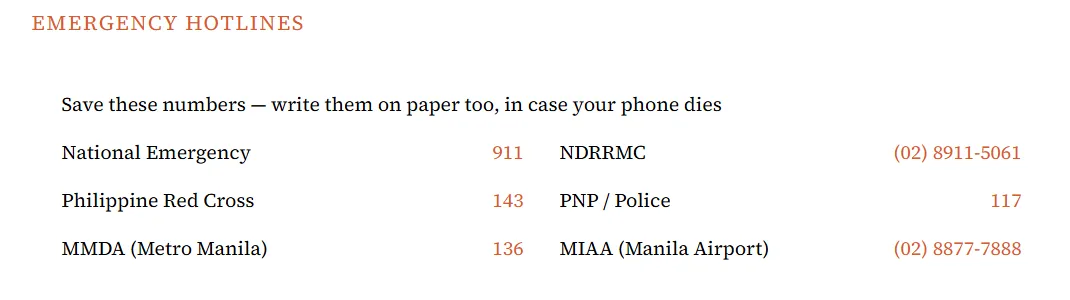
During a typhoon, official information can save lives. Bookmark these sources before you need them:
PAGASA (PANaHON): The national weather bureau issues Tropical Cyclone Advisories and storm surge bulletins. The PANaHON mobile app — launched in late 2025 — displays real-time interactive weather maps. Himawari 8/9 satellite images update every 10 minutes for storm tracking.
NDRRMC: The National Disaster Risk Reduction and Management Council coordinates all government response. It advises on evacuation orders, manages the national Calamity Fund and Quick Response Funds (QRF), and declares states of calamity when needed.
Social media: Follow official PAGASA and NDRRMC accounts on Facebook and X (Twitter) for real-time updates. These accounts post storm signal changes and evacuation orders as soon as they are issued.
Protecting Vulnerable Household Members
Older adults, people with disabilities, pregnant women, infants, and those with chronic illnesses need individual plans. Prepare early:
Renew prescriptions before the season peaks so there is at least a month's supply on hand. For wheelchair users or those with limited mobility, identify in advance who will assist during evacuation and which route is accessible. Pack diapers, formula, and infant medications in the go-bag. Request large-print or audio versions of evacuation instructions from your barangay if needed.
Coordinate with neighbors — a simple check-in system where a nearby family confirms that an elderly or disabled neighbor has evacuated safely can be lifesaving.
Financial and Insurance Steps
Review your home and vehicle insurance policies before a storm hits. Some policies cover typhoon damage, but you must document losses immediately — photograph everything, obtain an official damage assessment from your LGU, and file your claim promptly.
Government assistance — through the Calamity Fund and the Quick Response Fund (QRF) managed by agencies including DSWD, DA, and OCD — covers infrastructure repairs and basic relief, not personal property losses. Barangay-level DRRMC offices process assistance requests; keep all receipts and records from evacuation and repair costs.
If you plan to rebuild or renovate after a typhoon, follow the National Structural Code of the Philippines (NSCP 2015) standards. Building stronger is cheaper than rebuilding twice.
Your Family Evacuation Plan — A Simple Template
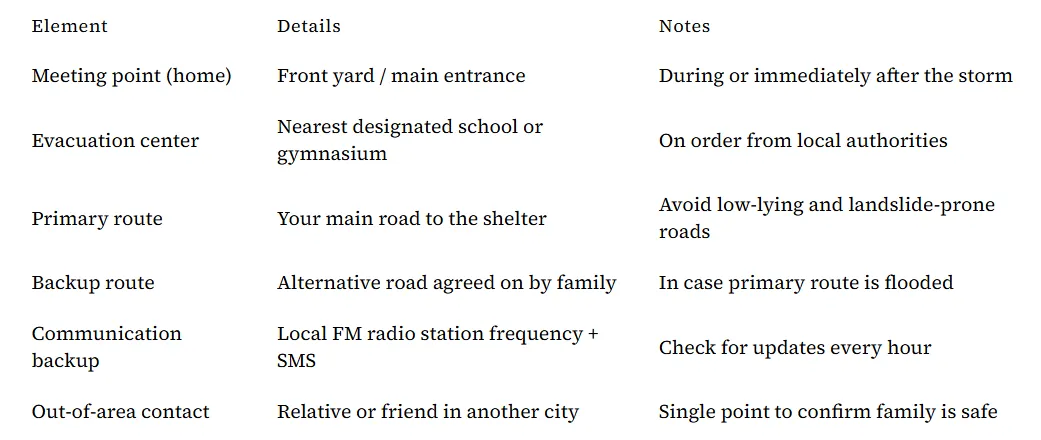
Print this table, fill in your specific details, and post it somewhere visible at home — on the refrigerator or near the front door. Every family member, including children, should know the plan by heart.
Bottom line: Preparation is not a one-time event. Check your supplies, update your plan, and re-read the official guidance each year before June. A few hours of preparation now could make all the difference when the next major typhoon arrives.
Heavy rains triggered by the ITCZ caused severe flooding in Davao City, leaving one dead, displacing hundreds of families, and prompting repair plans from the Department of Public Works and Highways after a bridge collapse.